

Dinosaurs & Fossils
Utah contains one of the most complete fossil records on Earth. This record spans almost 2 billion years! Some of the most common fossils are of early marine life such as mollusks (snails, clams, and ammonites), fish, and trilobites from Paleozoic-age rocks in Utah’s West Desert. Eastern Utah contains younger, Mesozoic- and Cenozoic-age rocks that were deposited as layers of marine and terrestrial (land) sediments in Jurassic- and Cretaceous-age inland seas and terrestrial environments. The preserved fossils from the Mesozoic and Cenozoic include an amazing variety of plants and animals: from insects, freshwater clams, mammals, and dinosaurs in the terrestrial rocks, to mollusks, fish, and marine reptiles in the marine rocks.
Utah is famous for its dinosaur fossils and related discoveries, behind only China in regard to the number of dinosaur types found. Utah’s Cenozoic rocks were deposited after the extinction of the non-avian (non-bird) dinosaurs. These rocks document the origins of many modern mammal groups. Utah also contains abundant fossils from the Pleistocene which include extinct bison, camels, giant ground sloths, horses, musk-oxen, mammoths, and mastodons.
Scroll through the timeline below to see a selection of Utah’s fossils and fossil environments from millions to hundreds of millions of years ago.

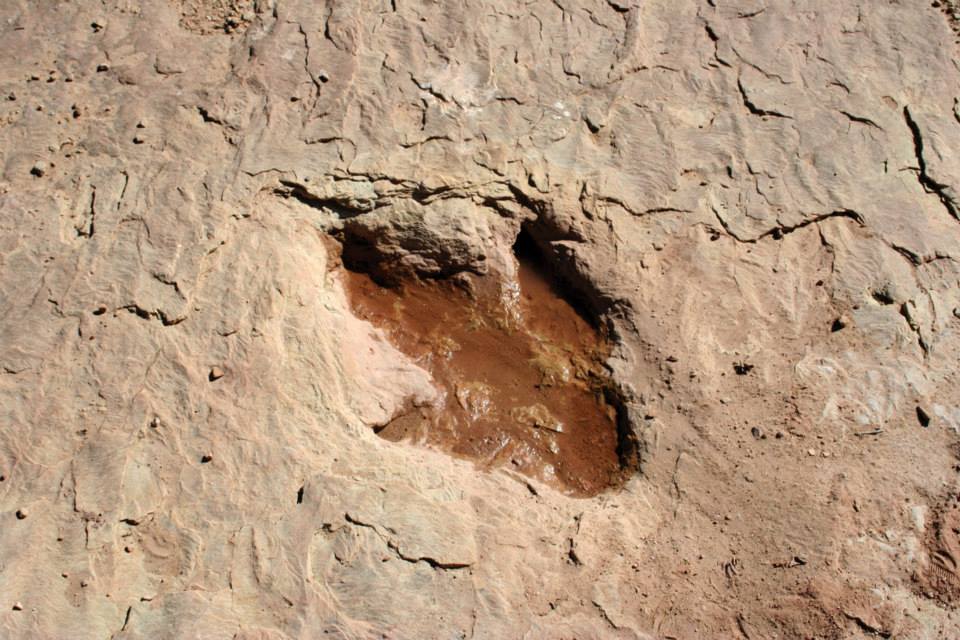
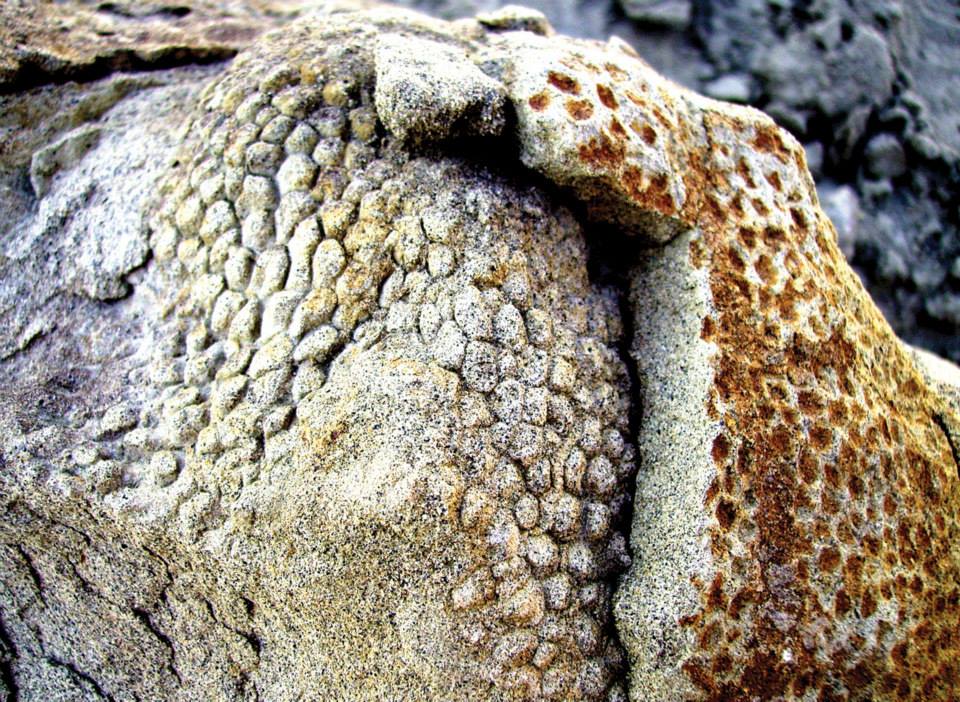
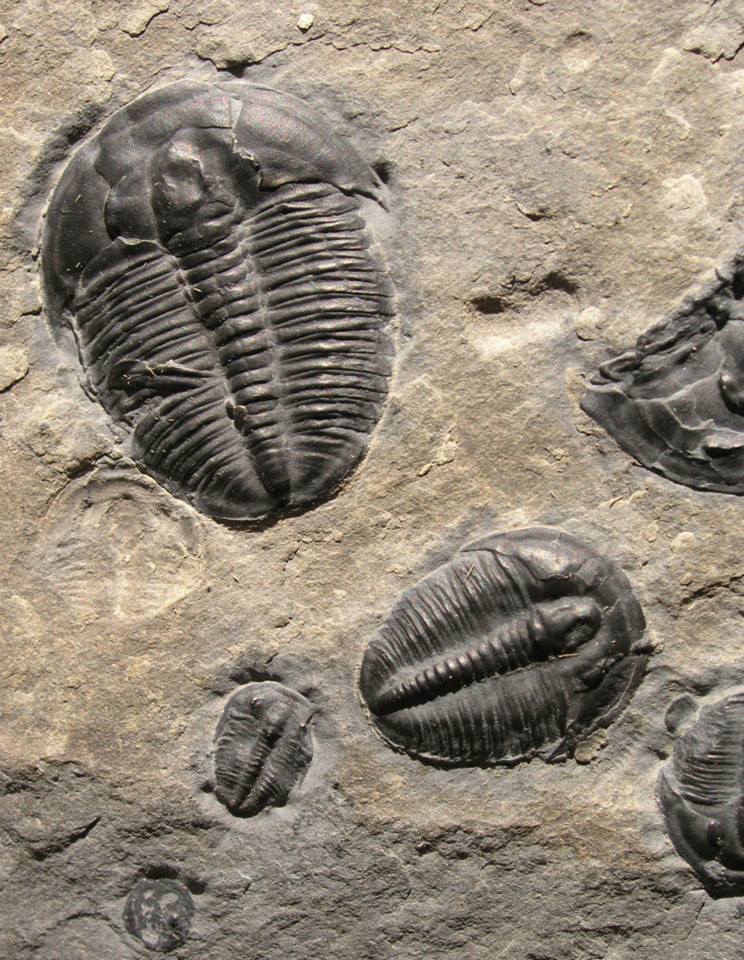
Why Does Utah Have So Many Fossils?
The simple answer is: we have the rocks! To become a fossil, an animal has to die and be buried in sediments that will preserve some part of its body. The hard parts, such as the shell or bone of an animal, are those that are most commonly preserved. Then those sediments have to be buried and, in most cases, turned to rock. These rocks then need to be exposed so that the fossil can be found.
The rocks of Utah’s West Desert are primarily marine rocks that were deposited when Utah was near the margin of the ocean (Nevada and California were not there yet). During that time, tens of thousands of feet of rock were deposited along with the fossils they contain. Later uplift and erosion of these rocks has exposed them so that we can find the fossils preserved within them. The Mesozoic rocks in eastern Utah were deposited in shallow seas and on adjoining land, but were ultimately also uplifted and eroded to be exposed. The animals and plants of the Mesozoic lived on land that was slowly subsiding (sinking). The subsidence drove fossil preservation because when some of the plants and animals died and were buried, the sediments that enclosed them were preserved. Several vertical miles of Mesozoic rock record this time period and form the spectacular red rock scenery of eastern Utah and its national parks such as Arches and Zion. Deposition and later erosion of these rocks make Utah a treasure trove of fossils.

Utah Dinosaurs
When many people think of dinosaurs, what comes to mind are large animals like Tyrannosaurus and Triceratops that lived during the Mesozoic Era, the so-called “Age of Dinosaurs.” The majority of dinosaur paleontologists now agree that birds evolved from a group of theropods (meat-eating dinosaurs). Therefore, not all dinosaurs went extinct at the end of the Cretaceous Period, 66 million years ago, only what we call the non-avian dinosaurs. The avian dinosaurs (birds) are still here and are the most diverse and abundant group of vertebrates on land. In that respect, we are still living in the “Age of Dinosaurs”!
Dinosaur paleontology is a very active area of scientific research, and every year over 20 scientific papers are published on dinosaur fossils in Utah. The amount of information that we have about the biology of dinosaurs increases every day. Dinosaur fossils from Utah play a large role in much of this new information, and over the past 30 years we have gone from a relatively small number of dinosaur species known from just a few geological formations, to well over 100 species from numerous formations. Researchers from all over the United States and the world come to Utah to excavate and study dinosaurs and other fossils. Over half of the permits in the country issued by the Bureau of Land Management to conduct paleontological research on the lands they manage are for Utah.


Public Interest Articles
- 1
- 2
Dinosaurs and Fossils Articles: 55