


Coal
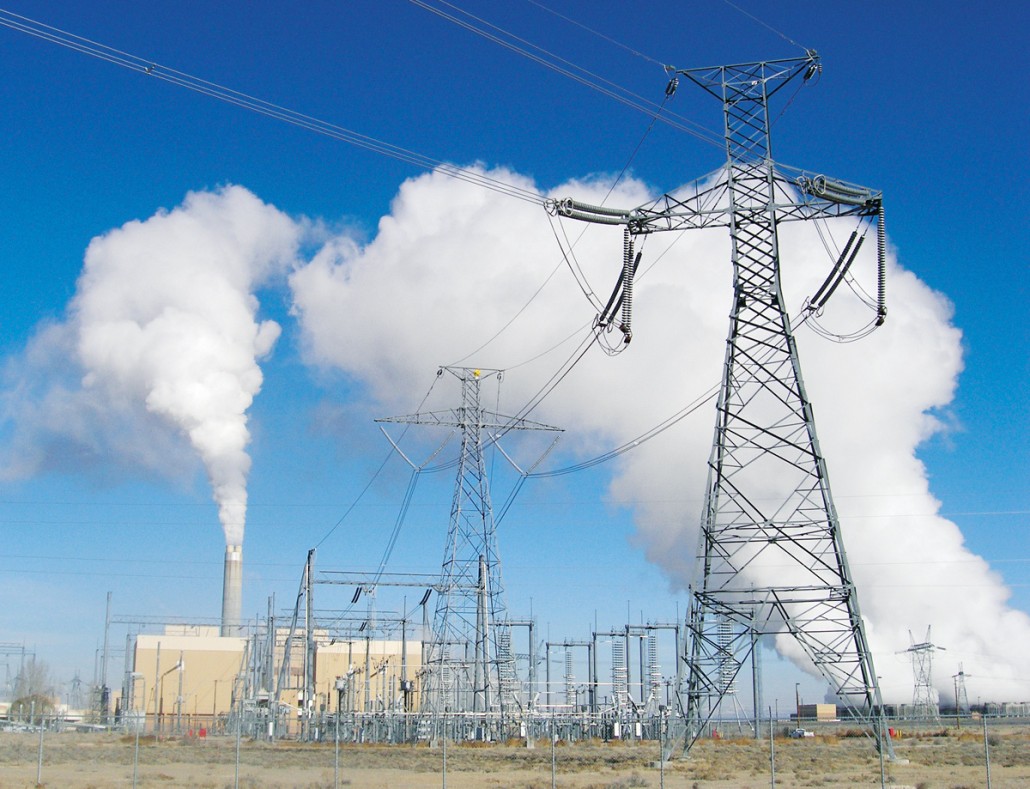
Coal is the long-term storage vessel of the carbon-based energy derived from plants. When high concentrations of plants die and accumulate in bogs and wetlands with low-oxygen conditions, millions of years of burial, heat, and pressure can convert plant matter to coal. When coal is burned the stored energy is converted to heat, which can be used to turn turbines that create the electrical energy used in our homes and industries.
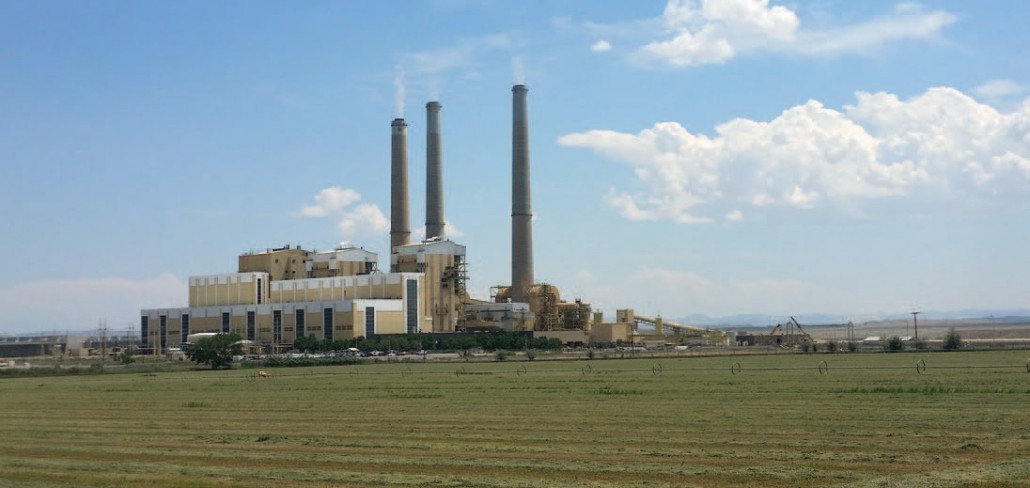
In Utah, the primary source of electricity is generated from coal; the rest of Utah’s generation comes from natural gas, hydroelectric, and other sources.


Utah’s Coal Production
Utah’s most economic coal reserves are located in three coalfields forming an inverted “U” primarily across Sevier, Emery, and Carbon Counties. In 2011, the Coal Hollow surface mine opened outside this area in southern Utah’s Kane County. Utah’s largest coal deposit is within the Kaiparowits Plateau coalfield. This coalfield was once off limits to development since it was within Grand Staircase–Escalante National Monument, but this monument was reduced in size in 2017, leaving part of the resource outside of the monument boundary.
Declining Utah coal production started during the 2008 recession and has continued as coal has dropped out of favor as a fuel for electric and industrial needs. The large increase in production from state lands that started in 1998 was the result of lands given to Utah after the designation of the Grand Staircase-Escalante National Monument. By 2012, those state lands had been mined out.
Past Coal Production