
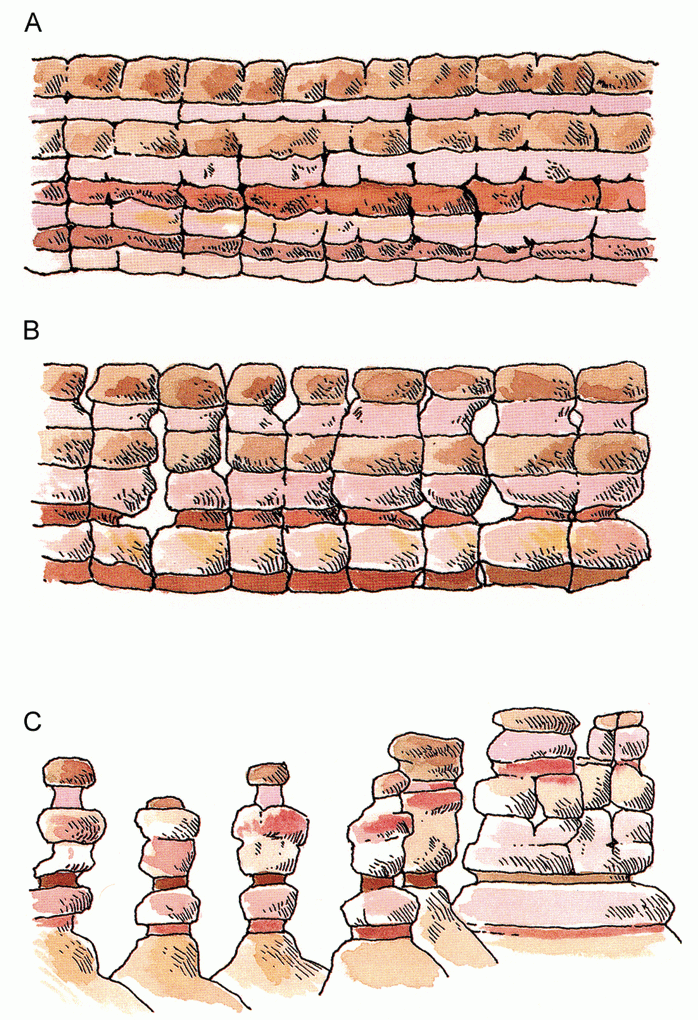
Geology and weather conspired to carve Devils Kitchen. A grid of vertical fractures (called “joints”) creates zones of weakness within the horizontal beds of conglomerate and sandstone (A). These joints form conduits for the infiltration of surface and ground water, which enhances weathering along the joints. Weathering is further enhanced by the area’s harsh winter climate, which produces freeze-thaw cycles that act to break apart the rock. The broken rock is then washed away by snow melt and rain. This process of weathering and erosion continues to widen the joints, eventually leaving remnant fins (B) and hoodoos (C). Weathering and erosion continue to excavate and carve new sculptures and will eventually destroy the old ones. Illustration from Shadows of Time—the Geology of Bryce Canyon National Park by Frank DeCourten, 1994.


Leave a Reply
Want to join the discussion?Feel free to contribute!