
When I find a mineral or fossil in the field, why doesn’t it look similar to specimens in museums or at mineral and fossil shows?
By Carl Ege

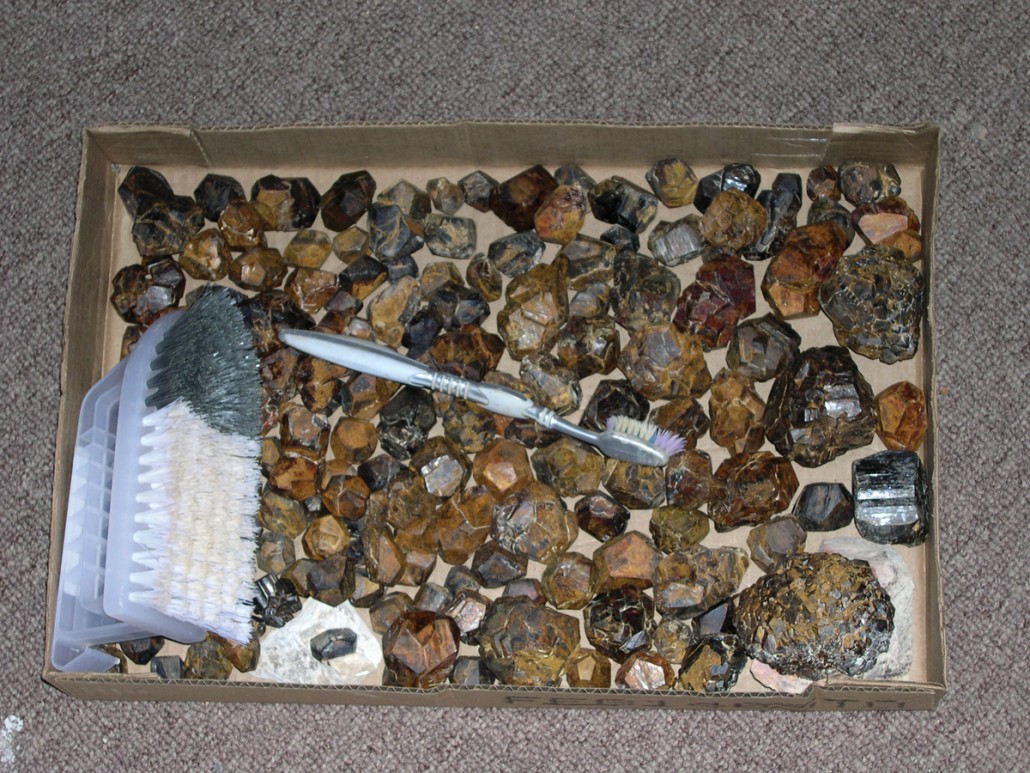
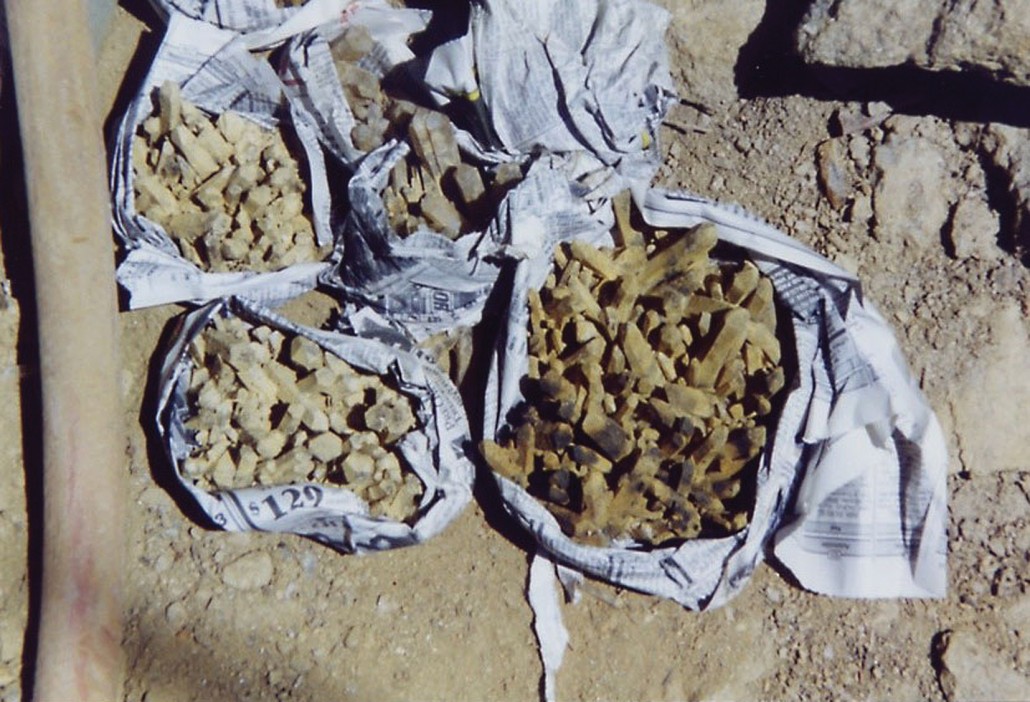

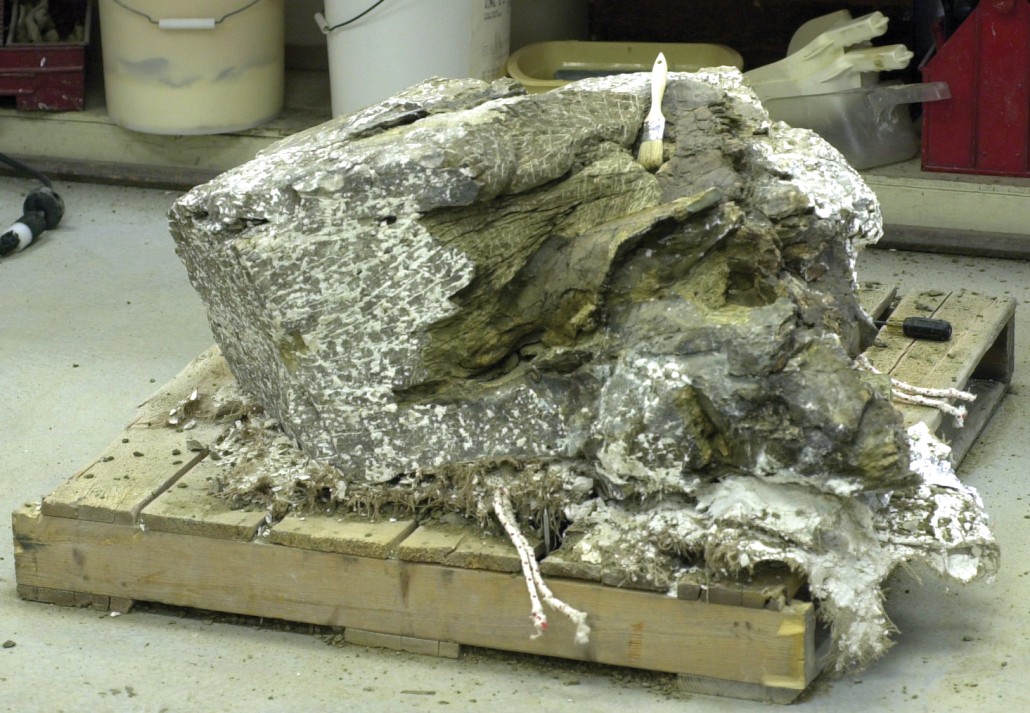
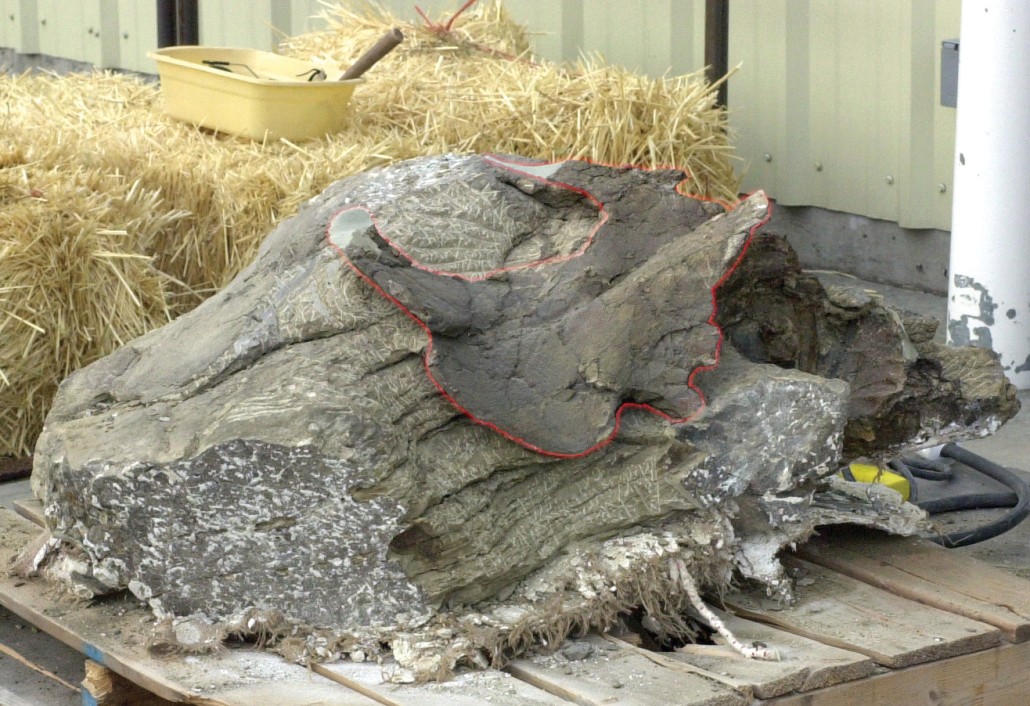
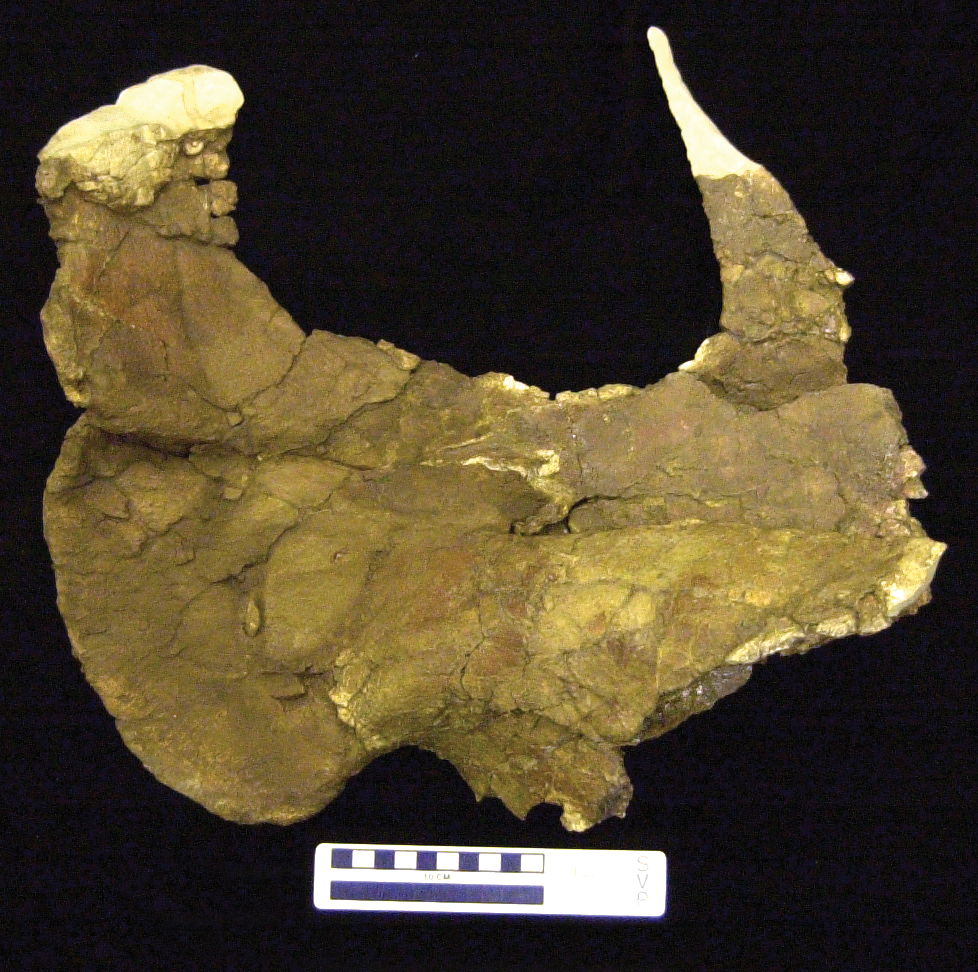
Nearly every mineral or fossil on display at a museum or offered for sale at a mineral and fossil show has been “prepared.” Preparation is the process of cleaning and (or) restoring specimens to reveal their true beauty.
Methods of preparation include washing, trimming, chemical treatment, mechanical treatment, repairing, and cutting and polishing. Practically all specimens need at least one form of preparation, while others need a combination of treatments.
Washing
Washing removes dirt or clay that may cover the specimen. Using a scrubbing brush or toothbrush under running water is the best method, and soaking the specimen in water may also help.
Disappointments generally occur during washing because the specimen may look much better wet than dry. This is the time to inspect your specimen and determine if you should proceed or just throw the specimen away.
Trimming
There are two types of trimming: hand trimming and heavy trimming. Hand trimming is accomplished by using a rock hammer and chisels to reduce the size of the specimen to enhance its display value.
Heavy trimming is done by a device similar to an old-fashioned printing press, but with a hardened steel chisel attached to the screw shaft. The tool’s advantage over hand trimming lies in its ability to apply greater force and pressure at the precise place to properly trim the specimen. During trimming, it is important to use safety goggles to protect the eyes from rock chips, and wear gloves to protect the hands.
Chemical Treatment
Chemical cleaning methods are used when washing and trimming are unable to remove undesirable material that may cover your specimen. Sometimes solutions such as acids, or even water, can be used to dissolve unwanted mineralized coatings without damaging the specimen.
When handling any acids remember to wear rubber gloves, eye-protective goggles, and old clothes. Also avoid inhaling any fumes during acid treatment. Listed below are the most commonly used chemical solutions for specimen preparation.
| Chemical Solution | What It Removes |
|---|---|
| Hydrochloric acid (also called muriatic acid) | carbonates (such as calcite) and iron oxides |
| Acetic acid (in vinegar) | calcium carbonate (calcite) |
| Formic acid | calcium carbonate (calcite), used mainly in fossil prep. |
| Oxalic acid | iron oxide rust stains on quartz and pyrite |
| Hydrofluoric acid | silicates (quartz and clay minerals) |
| Nitric acid | iron oxides and other metallic substances |
| Water | water-soluble minerals such as nitrates, borates, & sulfates |
Mechanical Treatment
Mechanical treatment pertains to the steel tools and electrical hardware used to clean specimens. These methods have the potential to damage specimens by scratching or fracturing, so it is important to test on lesser specimens to see if any damage will result.
Mechanical methods are commonly used when preparing dinosaur bone. Remember to always use safety goggles, gloves, dust mask, and proper ventilation. Listed below are the most commonly used mechanical tools for preparation.
| Tool or Device | Function |
|---|---|
| Ultrasonic cleaner | Cleaning fragile, delicate mineral specimens |
| Rotary tool (dremel) | Removing unwanted material to expose mineral or fossil |
| Dental pick, sewing needle | Removing dirt or material in the crevices of specimens |
| Air abrasive unit (sandblaster) | Removing rock to expose mineral or fossil |
| Air engraver (airscriber) | Commonly used by fossil preparers to expose fossils |
Repairing
Some specimens found broken in the field or damaged during other forms of preparation can be repaired. In mineral preparation, only minerals with clean breaks or fractures should be repaired. In vertebrate fossil preparation, repairs are very common because most vertebrate fossils are found broken or crushed. Adhesives, such as balsams, glues, and cements work well to repair specimens.
Cutting and Polishing
Some specimens cannot be fully appreciated unless they are cut to display their internal structure. For example, the outside of a geode is pretty plain, but when cut open, a beautiful crystallized cavity may be exposed. Massive specimens, such as agate, jasper, or variscite should be cut and polished to reach their full potential. Sometimes polishing will bring out details that would have otherwise been overlooked.
More detailed information on preparation can be found on the Internet under searches such as “mineral and fossil cleaning” or “mineral preparation.” There are also books on the subject that may be found at your local rock shop or bookstore.
Survey Notes, v. 38 no. 2, May 2006
